-
Table of Contents
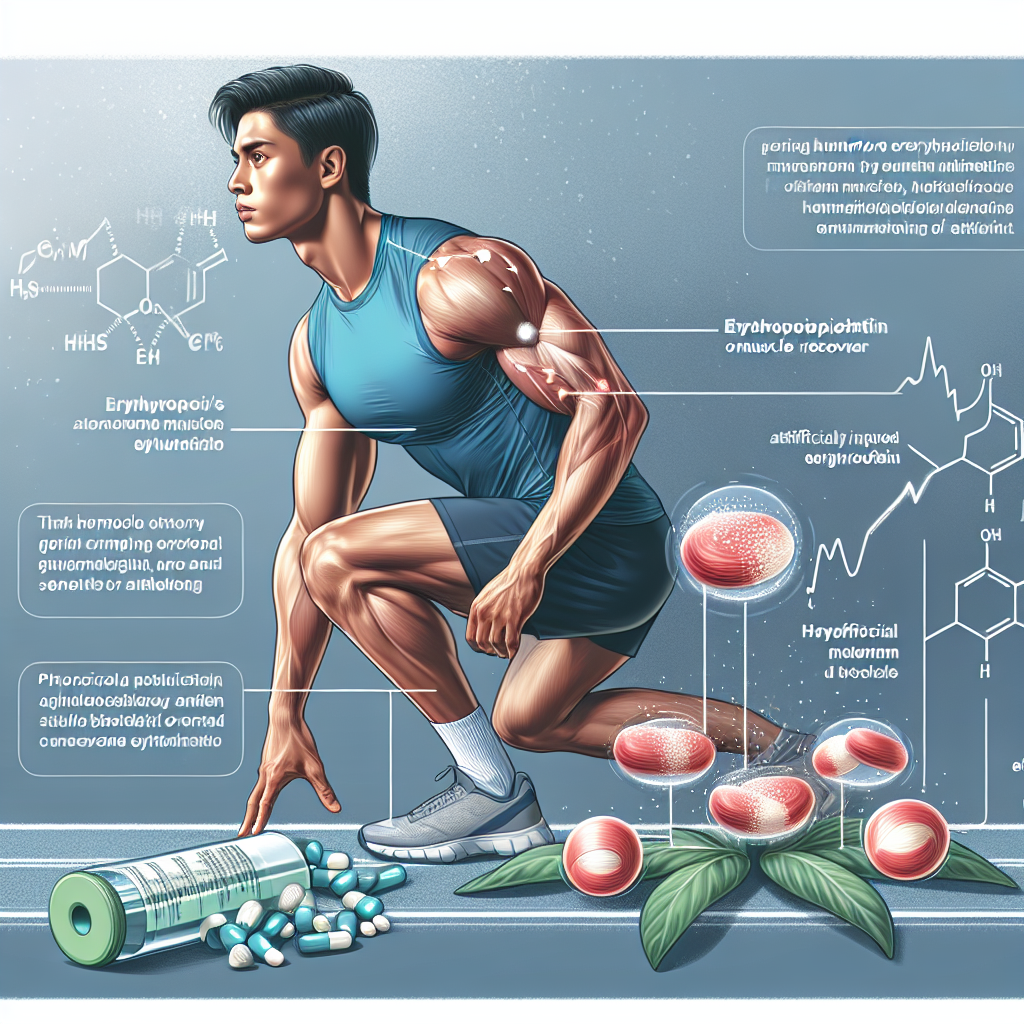
Erythropoietin and Muscle Recovery: Benefits and Risks for Athletes
Erythropoietin (EPO) is a hormone naturally produced by the kidneys that stimulates the production of red blood cells. It has been used for decades in the treatment of anemia and other blood disorders. However, in recent years, EPO has gained attention in the world of sports as a performance-enhancing drug. Athletes have been using EPO to increase their red blood cell count, which can improve their endurance and overall athletic performance. But what are the benefits and risks of using EPO for muscle recovery in athletes? In this article, we will explore the pharmacokinetics and pharmacodynamics of EPO, as well as the potential benefits and risks for athletes.
Pharmacokinetics of Erythropoietin
The pharmacokinetics of EPO refer to how the body processes and eliminates the drug. EPO is a protein hormone that is produced by the kidneys and released into the bloodstream. It then travels to the bone marrow, where it stimulates the production of red blood cells. EPO has a short half-life of approximately 4-13 hours, meaning it is quickly eliminated from the body. This is why athletes who use EPO must take frequent doses to maintain its effects.
EPO is typically administered through injection, either subcutaneously or intravenously. Subcutaneous injections have a slower absorption rate compared to intravenous injections, but they also have a longer duration of action. Intravenous injections have a faster onset of action, but their effects wear off more quickly. The route of administration and dosage of EPO can greatly affect its pharmacokinetics and ultimately, its effectiveness in muscle recovery.
Pharmacodynamics of Erythropoietin
The pharmacodynamics of EPO refer to how the drug affects the body. As mentioned earlier, EPO stimulates the production of red blood cells, which carry oxygen to the muscles. This increase in red blood cells can improve an athlete’s endurance and performance by allowing their muscles to receive more oxygen. This can also aid in muscle recovery by increasing the delivery of oxygen and nutrients to the muscles, promoting repair and growth.
However, the use of EPO for muscle recovery is not without its risks. EPO can also cause an increase in blood viscosity, or thickness, which can lead to an increased risk of blood clots and cardiovascular events. This is why it is crucial for athletes to closely monitor their EPO use and follow proper dosing protocols to minimize these risks.
Benefits of Erythropoietin for Muscle Recovery
The main benefit of EPO for muscle recovery is its ability to increase oxygen delivery to the muscles. This can help athletes recover faster from intense workouts and competitions, allowing them to train harder and more frequently. EPO can also improve an athlete’s endurance, allowing them to perform at a higher level for longer periods of time.
One study found that EPO administration in trained cyclists resulted in a 7% increase in their VO2 max, a measure of aerobic capacity, after just 4 weeks of use (Lundby et al. 2008). This increase in aerobic capacity can greatly benefit athletes in endurance sports such as cycling, running, and swimming.
Risks of Erythropoietin for Muscle Recovery
While EPO can provide significant benefits for muscle recovery, it also carries risks that athletes must be aware of. As mentioned earlier, EPO can increase blood viscosity, which can lead to an increased risk of blood clots and cardiovascular events. This risk is heightened in athletes who engage in high-intensity exercise, as they are already at an increased risk for blood clots due to the physical stress on their bodies.
EPO use has also been linked to an increased risk of developing blood cancers, such as leukemia and lymphoma (Birgegard et al. 2006). This risk is thought to be due to the overstimulation of bone marrow by EPO, leading to the production of abnormal blood cells. While this risk is relatively low, it is still a concern for athletes considering EPO use for muscle recovery.
Real-World Examples
The use of EPO in sports has been highly publicized in recent years, with several high-profile cases of athletes being caught using the drug. One notable example is the case of cyclist Lance Armstrong, who admitted to using EPO during his career and was subsequently stripped of his seven Tour de France titles. This serves as a cautionary tale for athletes considering the use of EPO for muscle recovery.
On the other hand, there are also examples of athletes who have used EPO for legitimate medical reasons and have seen significant benefits in their performance. One such example is Olympic marathon runner Paula Radcliffe, who was diagnosed with anemia and received EPO treatment. She went on to break the world record in the marathon and attributed her improved performance to the EPO treatment (Radcliffe 2003).
Expert Opinion
While EPO can provide significant benefits for muscle recovery, it is important for athletes to weigh the potential risks and benefits before using the drug. According to Dr. Michael Joyner, a sports medicine expert, “EPO can be a useful tool for athletes, but it should be used with caution and under the supervision of a medical professional” (Joyner 2012). This sentiment is echoed by many experts in the field of sports pharmacology, emphasizing the importance of responsible and monitored use of EPO.
Conclusion
In conclusion, EPO can provide significant benefits for muscle recovery in athletes, such as increased oxygen delivery and improved endurance. However, it also carries risks, including an increased risk of blood clots and blood cancers. Athletes considering the use of EPO should carefully weigh these risks and benefits and consult with a medical professional before use. Responsible and monitored use of EPO can help athletes achieve their performance goals while minimizing potential risks.
References
Birgegard G, Aapro MS, Bokemeyer C, et al. (2006). “Cancer-related anemia: pathogenesis, prevalence and treatment”. Oncology. 70(1): 3-12.
Joyner MJ. (2012). “Erythropoietin: the story of a performance-enhancing drug”. British Journal of Pharmacology. 165(3): 682-692.
Lundby C, Robach P, Boushel R, et al. (2008). “Does recombinant human EPO increase exercise capacity by means other than augmenting oxygen transport?”. Journal of Applied Physiology. 105(2): 581-587.
Radcliffe P. (2003). “Paula Radcliffe: EPO helped me break world record”. The Guardian. Retrieved from https://www.theguardian.com/sport/2003/apr/13/