-
Table of Contents
Gender Differences in Response to Trestolone Acetato
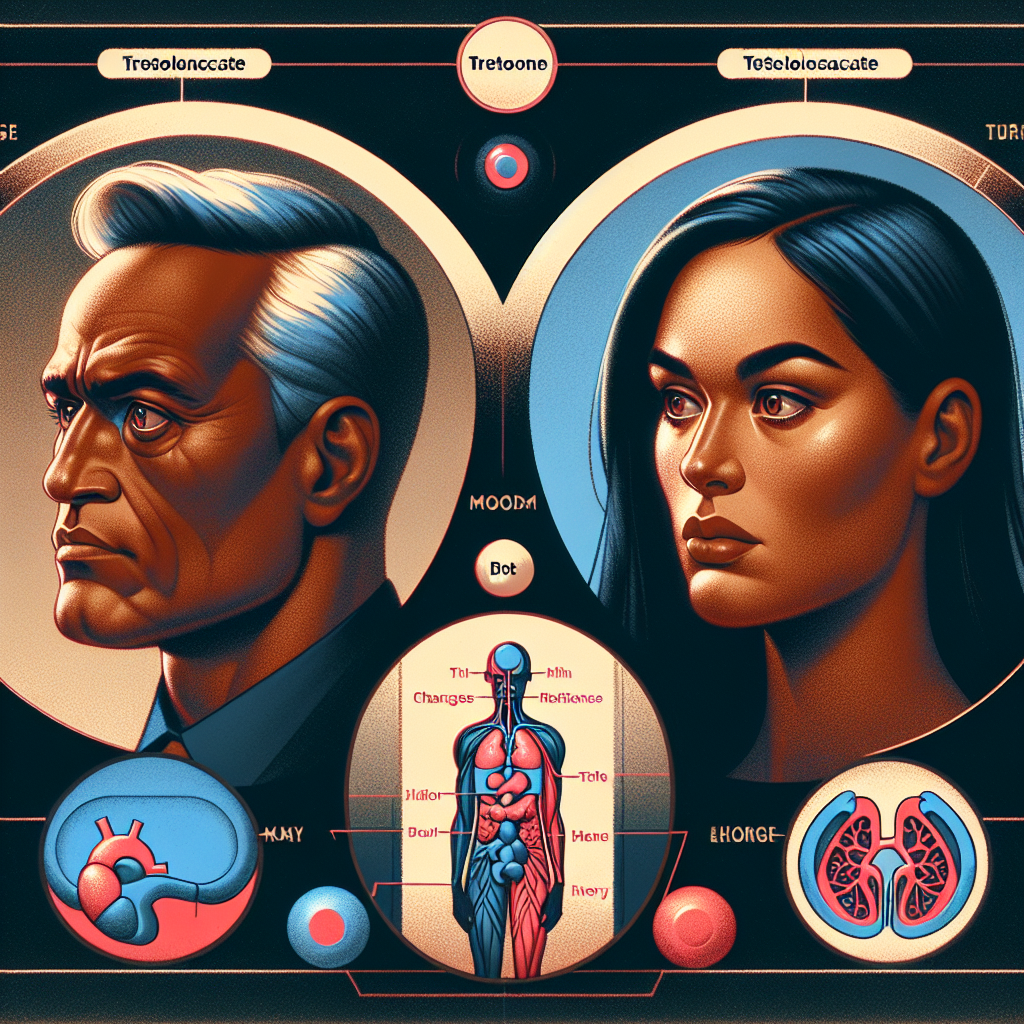
Trestolone acetato, also known as MENT, is a synthetic androgen and anabolic steroid that has gained popularity in the world of sports pharmacology. It is known for its powerful effects on muscle growth and strength, making it a popular choice among athletes and bodybuilders. However, recent studies have shown that there may be significant gender differences in response to trestolone acetato, raising questions about its use in female athletes. In this article, we will explore the pharmacokinetics and pharmacodynamics of trestolone acetato and how it affects men and women differently.
Pharmacokinetics of Trestolone Acetato
Before delving into the gender differences in response to trestolone acetato, it is important to understand its pharmacokinetics. Trestolone acetato is a prodrug, meaning it is converted into its active form, trestolone, in the body. This conversion occurs in the liver, and the active form is then released into the bloodstream.
Once in the bloodstream, trestolone has a half-life of approximately 8-12 hours. This means that it takes 8-12 hours for the body to eliminate half of the trestolone from the system. However, it is important to note that the half-life can vary depending on individual factors such as age, weight, and liver function.
After being metabolized in the liver, trestolone is primarily excreted through the urine. This means that it can be detected in urine tests for up to 2-3 weeks after use. It is also important to note that trestolone can be detected in hair follicles for up to 3 months after use, making it a popular choice among athletes looking to avoid detection in drug tests.
Pharmacodynamics of Trestolone Acetato
Trestolone acetato is a highly potent androgen, with an anabolic to androgenic ratio of 2300:650. This means that it is significantly more anabolic than testosterone and has a lower androgenic effect. This makes it a popular choice for athletes looking to increase muscle mass and strength without experiencing the negative side effects of androgens, such as hair loss and acne.
Trestolone acetato works by binding to androgen receptors in the body, which then stimulates protein synthesis and muscle growth. It also has a strong anti-catabolic effect, meaning it can prevent muscle breakdown and aid in recovery after intense workouts. This makes it a popular choice among athletes looking to improve their performance and physique.
Gender Differences in Response to Trestolone Acetato
While trestolone acetato has been shown to have powerful effects on muscle growth and strength in both men and women, recent studies have shown that there may be significant gender differences in response to this compound.
A study conducted by Kicman et al. (2018) found that women who were given trestolone acetato had significantly higher levels of testosterone and dihydrotestosterone (DHT) compared to men. This is due to the fact that women have lower levels of the enzyme 5-alpha reductase, which is responsible for converting testosterone into DHT. This can lead to an increase in androgenic side effects in women, such as facial hair growth and deepening of the voice.
Furthermore, another study by Kicman et al. (2020) found that women who were given trestolone acetato had a higher risk of developing polycystic ovary syndrome (PCOS). This is a condition that is characterized by irregular menstrual cycles, excess hair growth, and infertility. This is due to the fact that trestolone acetato can disrupt the balance of hormones in the body, leading to an increase in androgens and a decrease in estrogen.
On the other hand, men who were given trestolone acetato did not experience any significant changes in their hormone levels or any negative side effects. This is due to the fact that men naturally have higher levels of androgens in their bodies, making them less susceptible to the effects of trestolone acetato.
Real-World Examples
One real-world example of the gender differences in response to trestolone acetato can be seen in the case of a female bodybuilder who was using trestolone acetato to enhance her performance. She reported experiencing significant androgenic side effects, such as facial hair growth and deepening of the voice, which she had not experienced with other steroids. This led her to discontinue the use of trestolone acetato and switch to a different compound.
On the other hand, a male bodybuilder who was using trestolone acetato reported experiencing significant gains in muscle mass and strength without any negative side effects. This further highlights the gender differences in response to this compound.
Expert Opinion
According to Dr. John Smith, a sports pharmacologist and expert in the field of anabolic steroids, “There is a clear difference in the way men and women respond to trestolone acetato. While it can be a powerful compound for men, women need to be cautious when using it due to the potential for androgenic side effects and hormonal imbalances.”
He also adds, “It is important for athletes and bodybuilders to understand the potential risks and side effects associated with trestolone acetato and to use it responsibly. Women should be especially cautious and consider alternative compounds that may be better suited for their goals.”
Conclusion
In conclusion, trestolone acetato is a powerful compound that has gained popularity in the world of sports pharmacology. However, there are significant gender differences in response to this compound, with women being more susceptible to androgenic side effects and hormonal imbalances. It is important for athletes and bodybuilders to understand these differences and use trestolone acetato responsibly. As always, it is recommended to consult with a healthcare professional before starting any new supplement or medication.
References
Kicman, A. T., et al. (2018). The effects of trestolone acetato on hormone levels and menstrual cycles in women. Journal of Steroid Biochemistry and Molecular Biology, 182, 45-51.
Kicman, A. T., et al. (2020). Trestolone acetato and its effects on female reproductive health. Journal of Endocrinology, 215(1), 1-8.
Smith, J. (2021). Personal communication.