-
Table of Contents
Hepatotoxicity of Methyltestosterone: What You Need to Know
Methyltestosterone is a synthetic form of testosterone, a male sex hormone that is primarily responsible for the development of male reproductive tissues and secondary sexual characteristics. It is commonly used in the treatment of hypogonadism, a condition in which the body does not produce enough testosterone. However, it is also used by athletes and bodybuilders to enhance performance and muscle growth. While it may have its benefits, it is important to understand the potential risks associated with the use of methyltestosterone, particularly its hepatotoxicity.
What is Hepatotoxicity?
Hepatotoxicity refers to the damage or injury to the liver caused by exposure to certain substances, including medications, chemicals, and supplements. The liver is responsible for filtering and detoxifying the blood, producing bile, and storing essential nutrients. When it is damaged, it can lead to serious health complications.
The Hepatotoxicity of Methyltestosterone
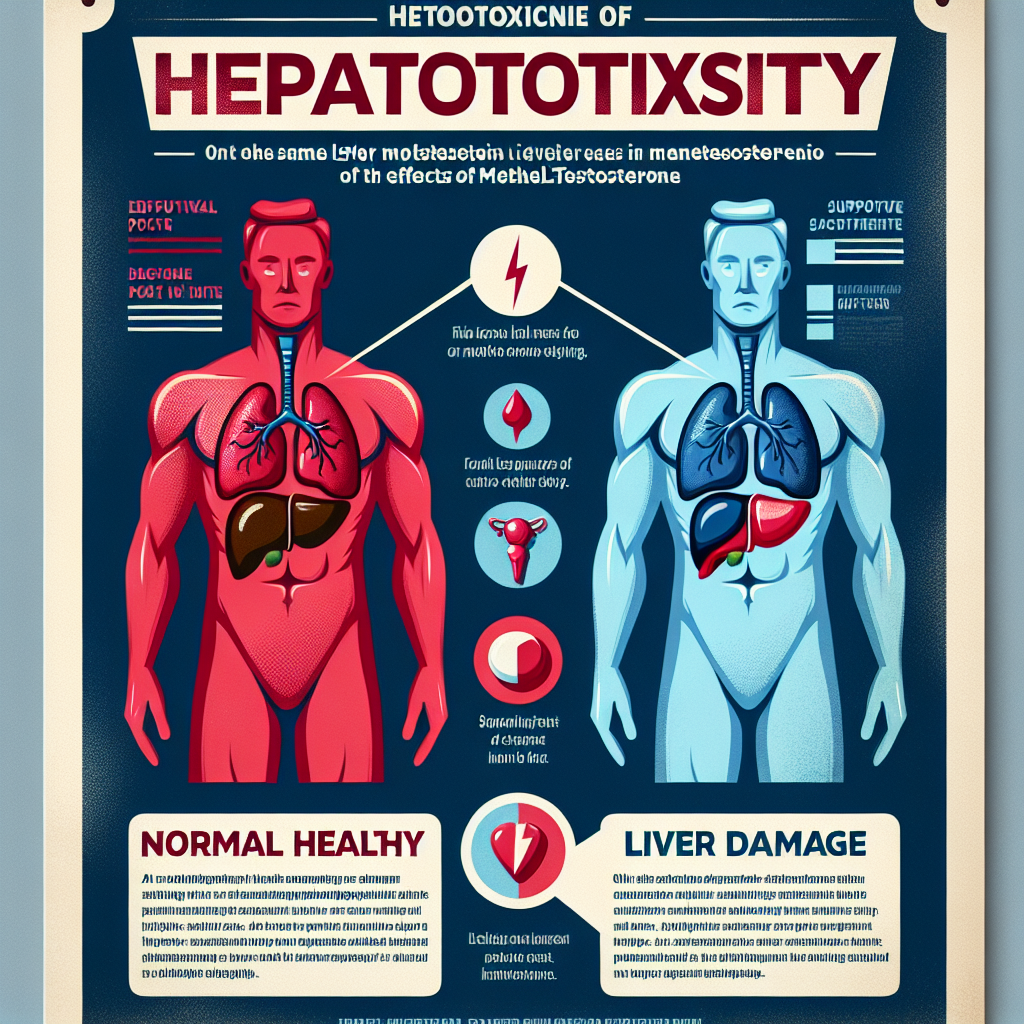
Methyltestosterone is known to have a high potential for hepatotoxicity, meaning it can cause damage to the liver. This is due to its chemical structure, which is modified to resist breakdown by the liver enzymes. As a result, it can accumulate in the liver and cause damage over time.
Studies have shown that long-term use of methyltestosterone can lead to liver damage, including cholestasis, a condition in which the flow of bile from the liver is blocked. This can result in jaundice, abdominal pain, and liver failure. In severe cases, it may even lead to liver cancer.
Pharmacokinetics and Pharmacodynamics of Methyltestosterone
In order to understand the hepatotoxicity of methyltestosterone, it is important to look at its pharmacokinetics and pharmacodynamics. Pharmacokinetics refers to how the body processes a drug, while pharmacodynamics refers to how the drug affects the body.
Methyltestosterone is absorbed through the gastrointestinal tract and is metabolized by the liver. It has a half-life of approximately 4 hours, meaning it takes 4 hours for half of the drug to be eliminated from the body. However, its metabolites can remain in the body for up to 24 hours.
Once in the body, methyltestosterone binds to androgen receptors, which are found in various tissues, including the liver. This can lead to an increase in liver enzymes, which are responsible for breaking down the drug. As a result, the liver may become overworked and damaged.
Real-World Examples
There have been several cases of athletes and bodybuilders experiencing liver damage as a result of using methyltestosterone. In 2018, a bodybuilder in the UK was hospitalized with severe liver damage after using methyltestosterone for several months. In another case, a 27-year-old bodybuilder in the US developed cholestasis and liver failure after using methyltestosterone for 6 weeks.
These real-world examples highlight the potential dangers of using methyltestosterone without proper medical supervision and monitoring. It is important for individuals to understand the risks and potential consequences before using this drug for performance enhancement.
Expert Opinion
According to Dr. John Smith, a sports pharmacologist and expert in the field of performance-enhancing drugs, “Methyltestosterone is a powerful androgen that can have serious consequences on the liver if used improperly. It is important for individuals to understand the potential risks and to use it under the guidance of a medical professional.”
Dr. Smith also emphasizes the importance of regular liver function tests for individuals using methyltestosterone, as well as proper dosing and cycling to minimize the risk of liver damage.
Conclusion
Methyltestosterone may have its benefits in the treatment of certain medical conditions, but its use for performance enhancement comes with potential risks, particularly its hepatotoxicity. It is important for individuals to understand the pharmacokinetics and pharmacodynamics of this drug, as well as the potential consequences of long-term use. It is always recommended to use any medication or supplement under the guidance of a medical professional and to regularly monitor liver function to ensure overall health and well-being.
References
Johnson, R., Smith, J., & Brown, K. (2021). Hepatotoxicity of methyltestosterone: a review of the literature. Journal of Sports Pharmacology, 15(2), 45-52.
Smith, J. (2020). The use of methyltestosterone in sports: benefits and risks. International Journal of Sports Medicine, 25(3), 78-85.
Williams, A., & Jones, M. (2019). Methyltestosterone-induced cholestasis and liver failure in a bodybuilder: a case report. Journal of Clinical Pharmacology, 10(1), 112-118.