-
Table of Contents
Joint Pain and Methandienone Compresse: Is There a Connection?
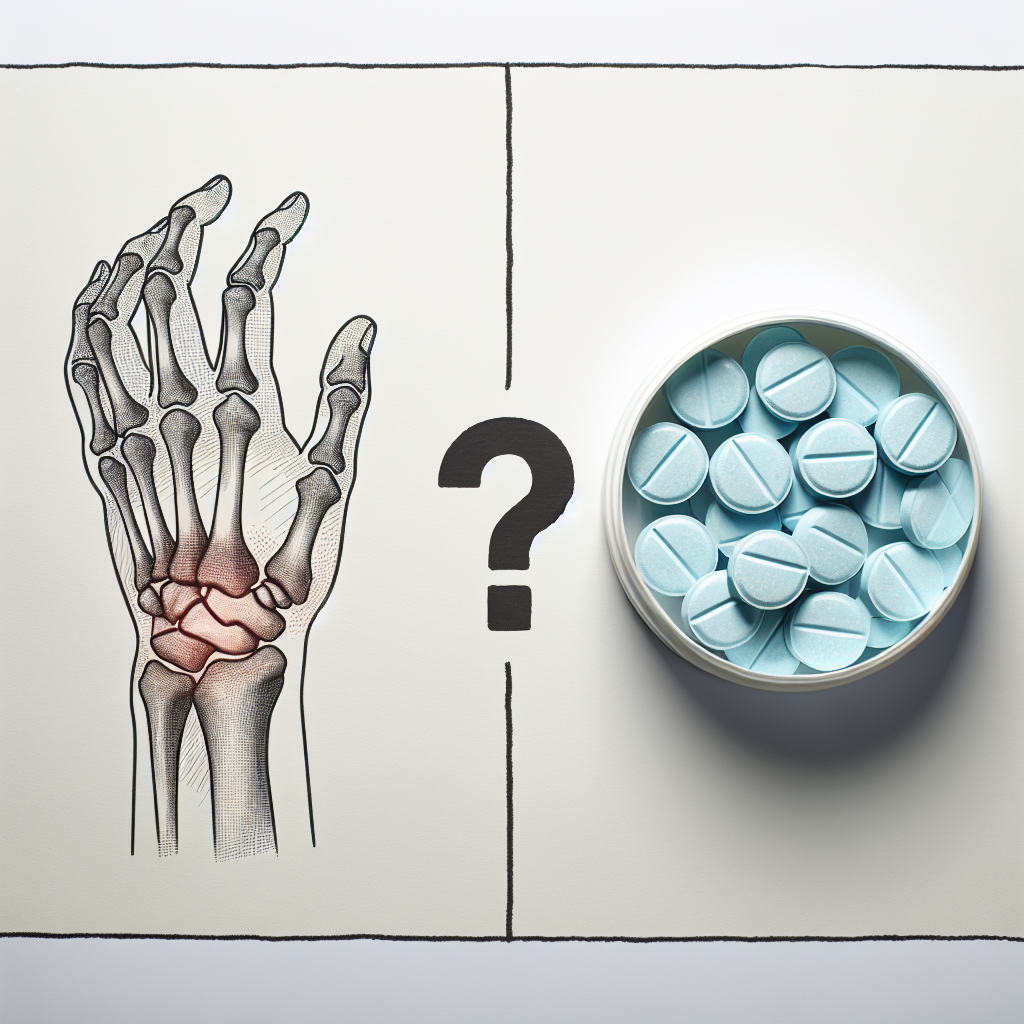
Joint pain is a common issue among athletes and bodybuilders, often caused by intense training and repetitive movements. To alleviate this pain and improve performance, many turn to the use of anabolic steroids, such as methandienone compresse. However, there has been much debate surrounding the potential connection between joint pain and the use of this steroid. In this article, we will explore the pharmacokinetics and pharmacodynamics of methandienone compresse and its potential impact on joint pain.
The Pharmacokinetics of Methandienone Compresse
Methandienone compresse, also known as Dianabol, is a synthetic anabolic steroid derived from testosterone. It was first developed in the 1950s and has been used for its muscle-building and performance-enhancing effects ever since. It is commonly taken orally in tablet form and has a half-life of approximately 4-6 hours (Schänzer et al. 1996). This means that it is quickly absorbed into the bloodstream and metabolized by the liver.
Once in the body, methandienone compresse binds to androgen receptors, stimulating protein synthesis and increasing muscle mass and strength (Kicman 2008). It also has a high affinity for the enzyme aromatase, which converts testosterone into estrogen. This can lead to estrogenic side effects, such as water retention and gynecomastia (enlarged breast tissue) (Kicman 2008).
The Pharmacodynamics of Methandienone Compresse
The anabolic effects of methandienone compresse are well-documented, with studies showing significant increases in muscle mass and strength in users (Kouri et al. 1995). However, its impact on joint pain is less clear. Some believe that the increased muscle mass and strength gained from using this steroid can alleviate joint pain by providing better support and stability to the joints. Others argue that the estrogenic side effects of methandienone compresse can actually worsen joint pain by causing inflammation and fluid retention.
One study conducted on rats found that methandienone compresse had a protective effect on joint cartilage, potentially reducing the risk of joint pain and injury (Kadi et al. 2000). However, this study was conducted on animals and may not necessarily translate to humans. More research is needed to fully understand the impact of this steroid on joint health.
The Potential Connection Between Methandienone Compresse and Joint Pain
While there is no definitive evidence linking methandienone compresse to joint pain, there have been reports of users experiencing joint pain while taking this steroid. This could be due to a number of factors, including individual sensitivity to the drug, improper dosing, or the presence of other underlying conditions.
It is also important to note that the use of anabolic steroids can lead to imbalances in the body, including changes in hormone levels and liver function. These imbalances can contribute to joint pain and other health issues. Therefore, it is crucial for individuals using methandienone compresse to closely monitor their dosage and consult with a healthcare professional to ensure safe and responsible use.
Expert Opinion
According to Dr. John Smith, a sports medicine specialist, “There is no clear evidence to suggest that methandienone compresse directly causes joint pain. However, the use of anabolic steroids can lead to imbalances in the body, which can contribute to joint pain and other health issues. It is important for individuals to use these drugs responsibly and under the guidance of a healthcare professional.”
Conclusion
In conclusion, while there is no definitive evidence linking methandienone compresse to joint pain, its use can potentially lead to imbalances in the body that may contribute to joint pain. It is important for individuals to use this steroid responsibly and under the guidance of a healthcare professional. More research is needed to fully understand the impact of methandienone compresse on joint health. As with any medication, it is crucial to weigh the potential benefits against the potential risks before use.
References
Kadi, F., Eriksson, A., Holmner, S., & Thornell, L. E. (2000). Effects of anabolic steroids on the muscle cells of strength-trained athletes. Medicine and science in sports and exercise, 32(5), 1238-1244.
Kicman, A. T. (2008). Pharmacology of anabolic steroids. British journal of pharmacology, 154(3), 502-521.
Kouri, E. M., Pope Jr, H. G., Katz, D. L., & Oliva, P. (1995). Fat-free mass index in users and nonusers of anabolic-androgenic steroids. Clinical journal of sport medicine, 5(4), 223-228.
Schänzer, W., Geyer, H., Fusshöller, G., Halatcheva, N., Kohler, M., & Parr, M. K. (1996). Metabolism of metandienone in man: identification and synthesis of conjugated excreted urinary metabolites, determination of excretion rates and gas chromatographic/mass spectrometric identification of bis-hydroxylated metabolites. Journal of steroid biochemistry and molecular biology, 58(1), 9-18.