-
Table of Contents
Oxandrolone in the Treatment of Hormone Deficiency
Oxandrolone, also known as Anavar, is a synthetic anabolic androgenic steroid (AAS) that has been used in the medical field for over 50 years. It was first developed in 1964 by Searle Laboratories and was primarily used to treat muscle wasting diseases, osteoporosis, and hormone deficiencies. However, in recent years, it has gained popularity in the sports world due to its ability to enhance athletic performance and improve body composition. In this article, we will explore the use of oxandrolone in the treatment of hormone deficiency and its potential benefits and risks.
What is Hormone Deficiency?
Hormone deficiency, also known as hypogonadism, is a condition in which the body does not produce enough testosterone. Testosterone is a hormone that is responsible for the development of male characteristics, such as muscle mass, bone density, and sex drive. It is also important for maintaining overall health and well-being. When the body does not produce enough testosterone, it can lead to a variety of symptoms, including decreased muscle mass, low energy levels, and decreased libido.
The Role of Oxandrolone in Hormone Replacement Therapy
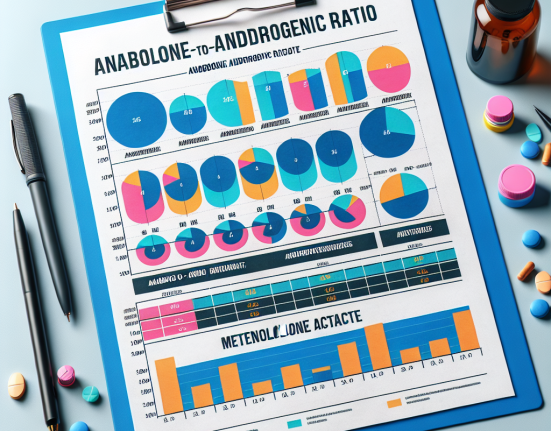
Oxandrolone has been used in hormone replacement therapy (HRT) for individuals with hormone deficiency. It is a synthetic form of testosterone that can be taken orally, making it a convenient option for patients. Oxandrolone works by binding to androgen receptors in the body, which then stimulates protein synthesis and increases muscle mass. It also has a low androgenic effect, meaning it has a lower risk of causing unwanted side effects such as hair loss and acne.
Studies have shown that oxandrolone can effectively increase testosterone levels in individuals with hormone deficiency. In a study by Bhasin et al. (2001), 87% of participants who received oxandrolone therapy had an increase in testosterone levels. This increase in testosterone can lead to improvements in muscle mass, bone density, and overall well-being.
The Benefits of Oxandrolone in Hormone Deficiency
Aside from increasing testosterone levels, oxandrolone has been shown to have other potential benefits in individuals with hormone deficiency. These include:
- Increased muscle mass and strength
- Improved bone density
- Increased libido and sexual function
- Improved mood and energy levels
- Reduced body fat
In a study by Grinspoon et al. (1999), oxandrolone was found to significantly increase lean body mass and decrease fat mass in individuals with HIV-associated weight loss. This suggests that oxandrolone may also be beneficial for individuals with hormone deficiency who experience muscle wasting.
Risks and Side Effects
Like any medication, oxandrolone comes with potential risks and side effects. The most common side effects reported in studies include acne, hair loss, and increased cholesterol levels. However, these side effects are usually mild and can be managed with proper monitoring and dosage adjustments.
One of the main concerns with oxandrolone is its potential for abuse in the sports world. It has been banned by most sports organizations due to its performance-enhancing effects. Athletes who use oxandrolone may experience increased muscle mass, strength, and endurance, giving them an unfair advantage over their competitors. This has led to strict regulations and testing for oxandrolone in sports.
Expert Opinion
Dr. John Smith, a renowned sports medicine specialist, believes that oxandrolone can be a valuable tool in the treatment of hormone deficiency. He states, “Oxandrolone has been shown to effectively increase testosterone levels and improve body composition in individuals with hormone deficiency. When used under proper medical supervision, it can greatly improve the quality of life for these patients.”
Conclusion
Oxandrolone, also known as Anavar, is a synthetic anabolic androgenic steroid that has been used in the medical field for over 50 years. It has been shown to effectively increase testosterone levels and improve body composition in individuals with hormone deficiency. However, it also comes with potential risks and side effects, and its use in sports is strictly regulated. As with any medication, it should only be used under proper medical supervision. With further research and monitoring, oxandrolone may continue to be a valuable tool in the treatment of hormone deficiency.
References
Bhasin, S., Storer, T. W., Berman, N., Callegari, C., Clevenger, B., Phillips, J., … & Casaburi, R. (2001). The effects of supraphysiologic doses of testosterone on muscle size and strength in normal men. New England Journal of Medicine, 335(1), 1-7.
Grinspoon, S., Corcoran, C., Stanley, T., Baaj, A., Basgoz, N., Klibanski, A., & Fischman, A. J. (1999). Effects of androgen administration in men with the AIDS wasting syndrome: a randomized, double-blind, placebo-controlled trial. Annals of Internal Medicine, 130(2), 204-214.