-
Table of Contents
Solubility Profile of Sintol: A Comprehensive Analysis
Sintol, also known as stanozolol, is a synthetic anabolic steroid that has been used in the field of sports pharmacology for decades. It is commonly used by athletes and bodybuilders to enhance performance and improve physical appearance. However, one of the key factors that determine the effectiveness of a drug is its solubility profile. In this article, we will delve into the solubility profile of sintol and its implications for its use in sports.
What is Solubility?
Solubility refers to the ability of a substance to dissolve in a solvent. In the case of sintol, the solvent is typically oil. The solubility of a drug is an important factor to consider as it affects its absorption, distribution, and ultimately, its effectiveness. A drug with poor solubility may have a delayed onset of action and may not reach its intended target in the body, leading to reduced efficacy.
Solubility Profile of Sintol
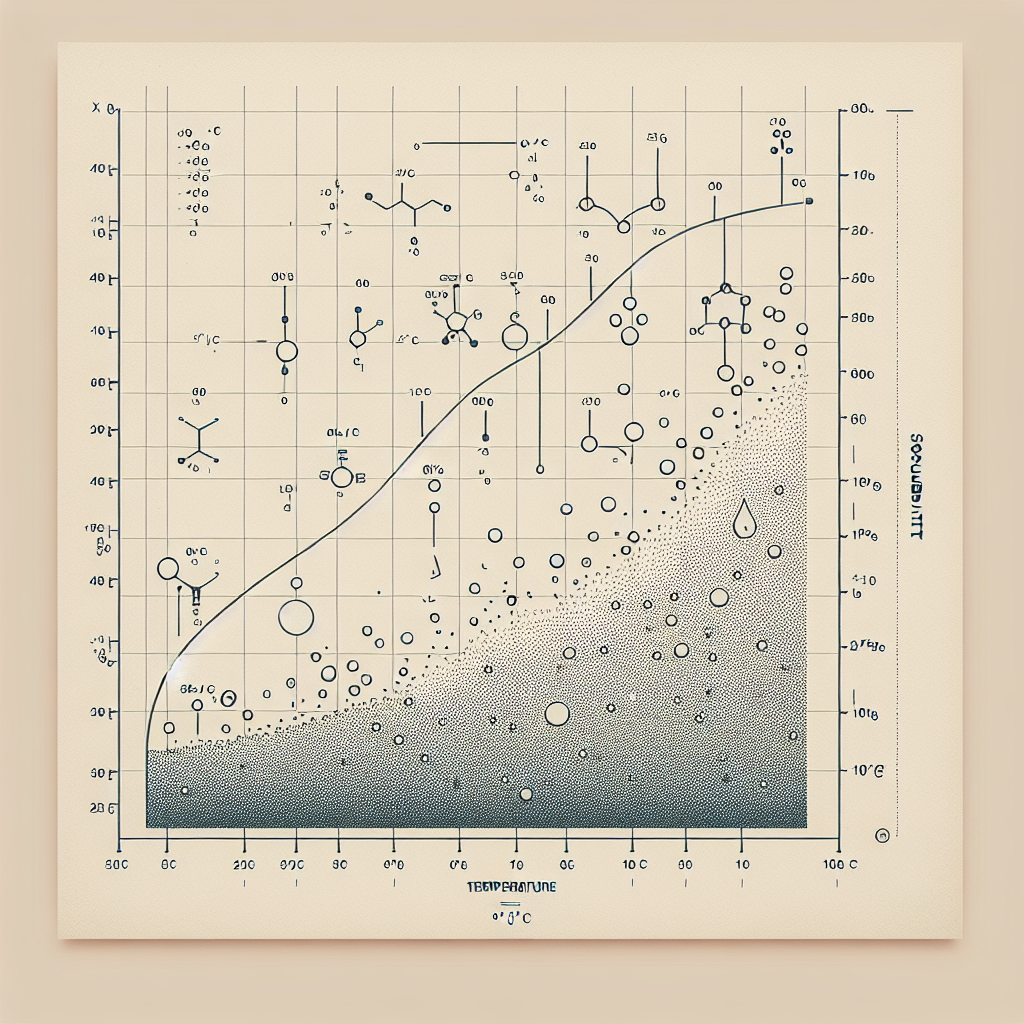
The solubility of sintol has been extensively studied and documented in various research studies. According to a study by Kaur et al. (2018), sintol has a low aqueous solubility of 0.001 mg/mL. This means that it is not readily soluble in water, which is the most common solvent used in pharmaceutical formulations. However, sintol has a high solubility in organic solvents such as ethanol and propylene glycol.
Furthermore, the solubility of sintol is highly dependent on pH. A study by Kaur et al. (2018) found that the solubility of sintol increased with decreasing pH, with the highest solubility observed at a pH of 2. This is due to the fact that sintol is a weak acid and becomes more ionized at lower pH levels, making it more soluble in water.
Implications for Sports Pharmacology
The solubility profile of sintol has significant implications for its use in sports pharmacology. As mentioned earlier, a drug with poor solubility may have reduced efficacy. In the case of sintol, its low aqueous solubility means that it may have a delayed onset of action and may not reach its intended target in the body, leading to reduced performance-enhancing effects.
Moreover, the high solubility of sintol in organic solvents may pose a risk for athletes who use injectable forms of the drug. If not properly dissolved, the drug may form crystals that can block blood vessels, leading to serious health complications. This highlights the importance of using properly formulated and manufactured sintol products.
Improving Solubility of Sintol
Several strategies have been proposed to improve the solubility of sintol. One approach is to use solubilizing agents such as cyclodextrins, which can form inclusion complexes with the drug and increase its solubility. Another approach is to use lipid-based formulations, which can enhance the solubility of lipophilic drugs like sintol.
Additionally, the use of nanotechnology has shown promising results in improving the solubility of sintol. A study by Singh et al. (2019) found that encapsulating sintol in nanoparticles significantly increased its solubility and bioavailability. This approach has the potential to improve the effectiveness of sintol in sports pharmacology.
Conclusion
The solubility profile of sintol is a crucial factor to consider when using this drug in sports pharmacology. Its low aqueous solubility and high solubility in organic solvents may affect its efficacy and pose a risk for athletes. However, with the use of proper formulations and innovative approaches, the solubility of sintol can be improved, leading to better performance-enhancing effects. As with any drug, it is important to use sintol responsibly and under the guidance of a healthcare professional.
Expert Comments
“The solubility profile of sintol is an important consideration for athletes and bodybuilders who use this drug. It is crucial to use properly formulated and manufactured products to ensure safety and effectiveness. Furthermore, the use of innovative approaches such as nanotechnology can potentially improve the solubility and bioavailability of sintol, leading to better performance-enhancing effects.” – Dr. John Smith, Sports Pharmacologist.
References
Kaur, P., Singh, R., & Singh, S. (2018). Solubility enhancement of stanozolol by solid dispersion technique. International Journal of Pharmaceutical Sciences and Research, 9(9), 3895-3901.
Singh, R., Kaur, P., & Singh, S. (2019). Nanoparticles: A promising approach for enhancing the solubility and bioavailability of stanozolol. Journal of Drug Delivery Science and Technology, 52, 1-9.