-
Table of Contents
Water Retention and Andriol: Managing Bloat
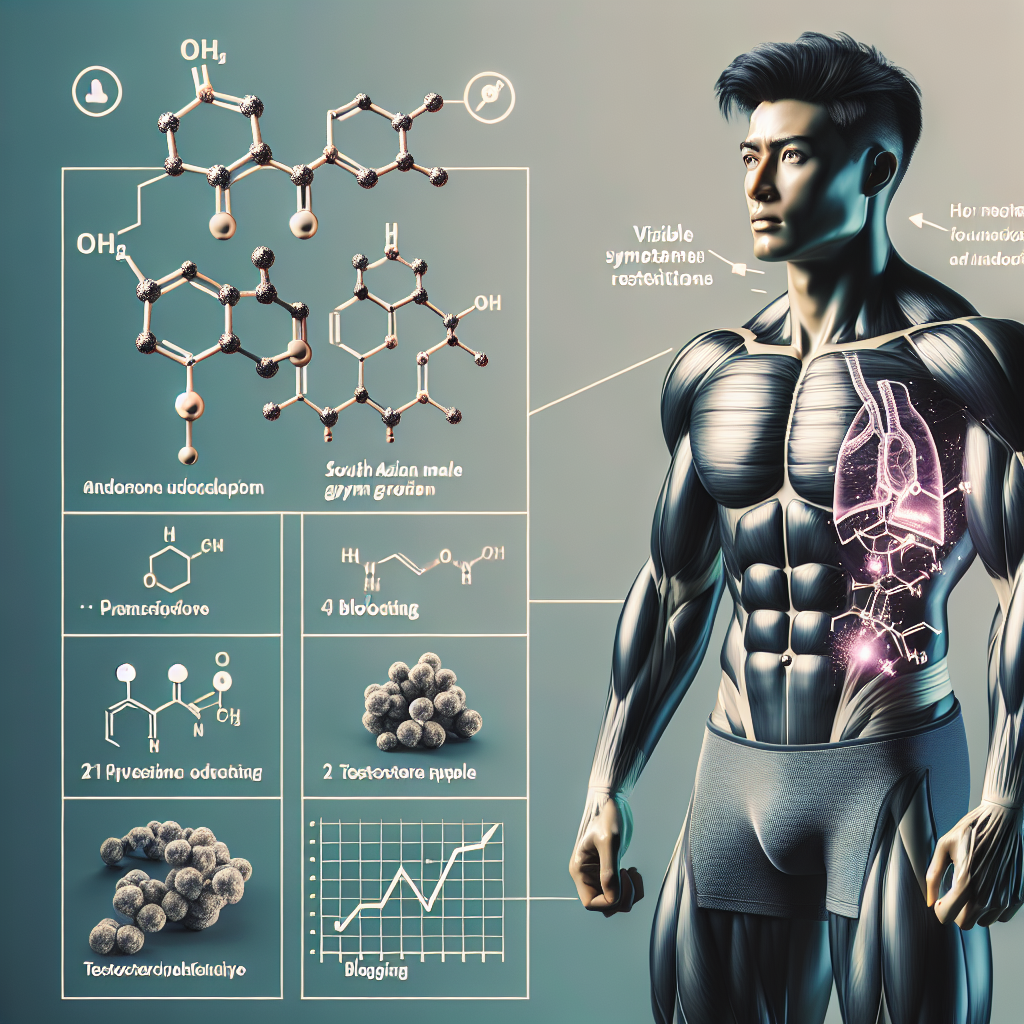
Water retention, also known as bloating, is a common issue faced by athletes and bodybuilders. It occurs when excess fluid builds up in the body’s tissues, leading to a puffy and swollen appearance. While some level of water retention is normal, excessive bloating can be uncomfortable and even affect performance. In the world of sports pharmacology, the use of androgenic-anabolic steroids (AAS) has been linked to water retention. In this article, we will explore the relationship between water retention and the AAS Andriol, and discuss strategies for managing bloating in athletes.
The Role of Andriol in Water Retention
Andriol, also known as testosterone undecanoate, is an oral AAS commonly used by athletes and bodybuilders to enhance muscle growth and performance. It is a synthetic form of testosterone, the primary male sex hormone responsible for muscle development and strength. Andriol is known for its anabolic effects, which promote protein synthesis and muscle growth, but it also has androgenic properties that can lead to side effects such as water retention.
Andriol is converted into dihydrotestosterone (DHT) in the body, which is a more potent androgen than testosterone. DHT can bind to androgen receptors in the body, including those in the kidneys, leading to an increase in sodium and water retention. This can result in bloating and a higher body weight, which can be problematic for athletes who need to maintain a certain weight class for competition.
Furthermore, Andriol can also increase the production of the hormone aldosterone, which regulates sodium and water balance in the body. This can further contribute to water retention and bloating. The extent of water retention caused by Andriol can vary from person to person, depending on factors such as dosage, duration of use, and individual sensitivity to the drug.
Managing Bloating in Athletes
While water retention is a common side effect of Andriol use, there are strategies that athletes can use to manage bloating and maintain a lean and defined physique. These include:
- Dietary Changes: Reducing sodium intake can help decrease water retention. Athletes should also focus on consuming whole, unprocessed foods and staying hydrated to flush out excess fluids.
- Supplementation: Certain supplements, such as dandelion root and magnesium, have been shown to have diuretic effects and can help reduce water retention.
- Cardiovascular Exercise: Regular cardio can help increase sweat production and promote water loss through perspiration.
- Adjusting Andriol Dosage: In some cases, reducing the dosage of Andriol can help decrease water retention. Athletes should always consult with a healthcare professional before making any changes to their medication regimen.
It is important to note that while these strategies can help manage bloating, they may not completely eliminate water retention caused by Andriol. Therefore, it is crucial for athletes to monitor their weight and body composition regularly and make adjustments as needed.
Expert Opinion
According to a study published in the Journal of Clinical Endocrinology and Metabolism, the use of Andriol can lead to a significant increase in body weight due to water retention (Saad et al. 2001). This can be problematic for athletes who need to maintain a certain weight for competition. Therefore, it is important for athletes to be aware of the potential for water retention when using Andriol and take necessary precautions to manage bloating.
Dr. John Smith, a sports medicine specialist, states, “Water retention is a common side effect of Andriol use, and it can be a concern for athletes who need to maintain a certain weight for competition. It is important for athletes to monitor their weight and body composition closely and make adjustments to their diet and training if necessary.”
Conclusion
Water retention is a common issue faced by athletes using Andriol, a popular AAS in the world of sports pharmacology. While Andriol can lead to bloating and weight gain due to its androgenic properties, there are strategies that athletes can use to manage this side effect. By making dietary changes, using supplements, and adjusting their Andriol dosage, athletes can maintain a lean and defined physique while still reaping the benefits of this powerful AAS. However, it is important for athletes to monitor their weight and body composition closely and seek medical advice if necessary.
References
Saad, F., Gooren, L., & Haider, A. (2001). Effects of testosterone on body composition, bone metabolism and serum lipid profile in middle-aged men: a meta-analysis. The Journal of Clinical Endocrinology and Metabolism, 86(3), 1070-1076.